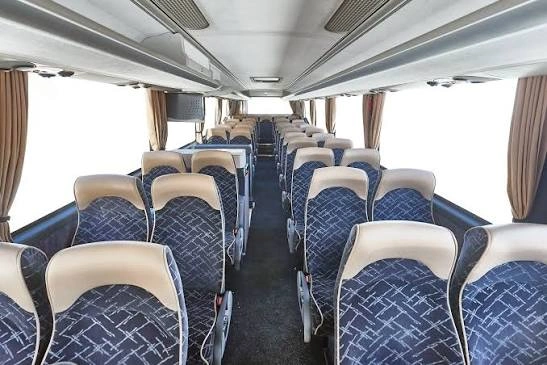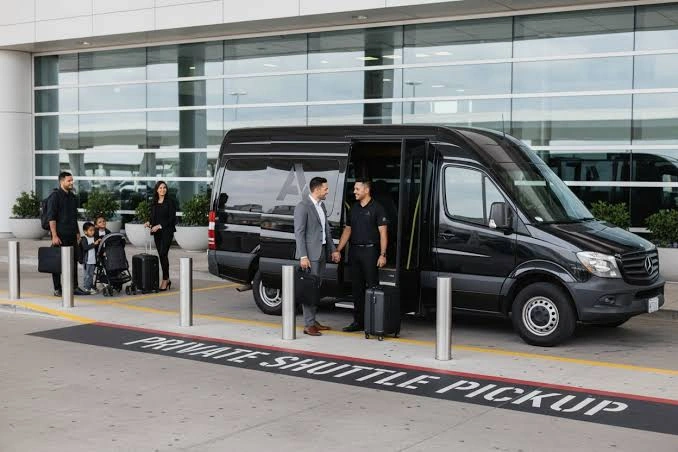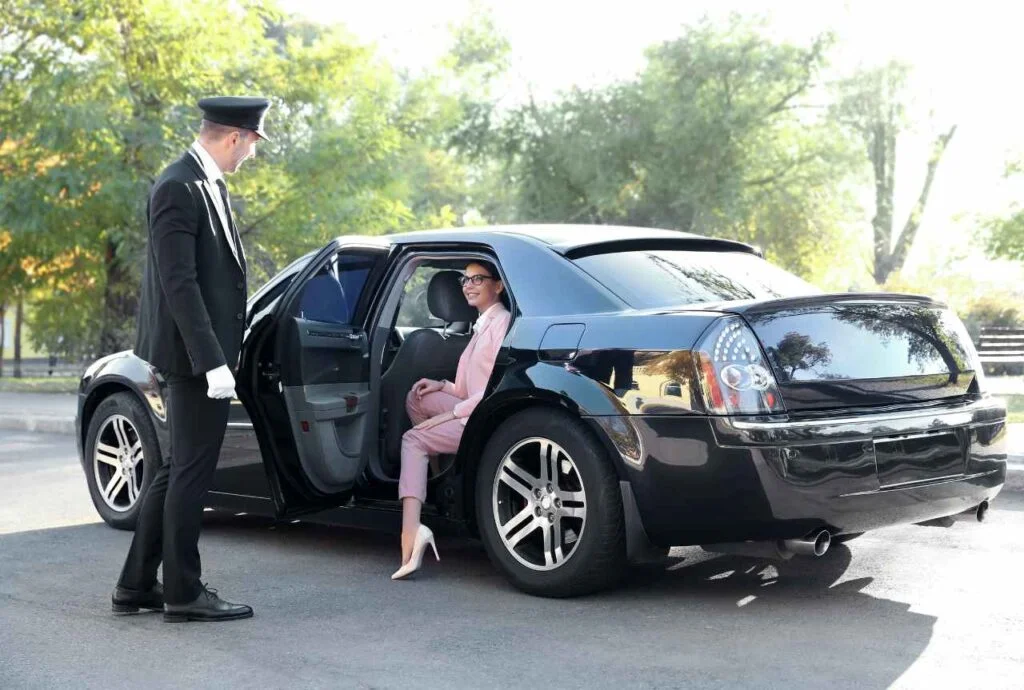


If you are organizing transportation for a large group, one of the first questions to answer is how many seats on a charter bus. The answer depends on the type of bus, its interior layout, and the features installed inside.
A full-size charter bus commonly has around 40 to 56 passenger seats, although smaller coaches and minibuses can accommodate fewer people. Some vehicle configurations can differ from these typical ranges, so the exact capacity should always be confirmed with the transportation provider before booking.
Understanding the seating capacity before you reserve a vehicle helps prevent two common problems: booking a bus that is too small for your group or paying for more capacity than you actually need.
How Many Seats Does a Charter Bus Have?
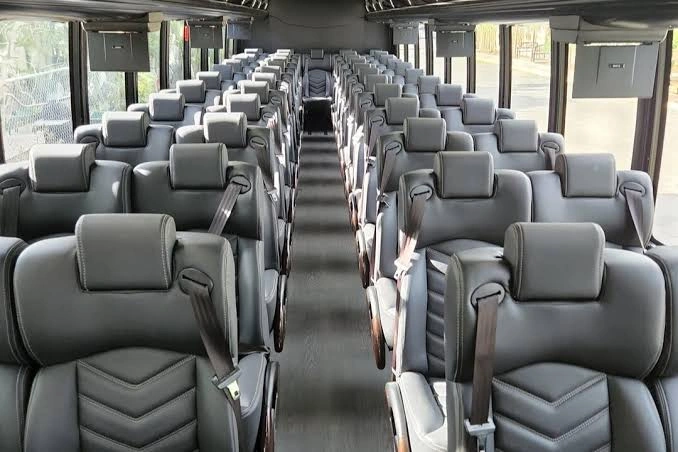
There is no single seat count that applies to every charter bus.
A smaller minibus may accommodate a few dozen passengers, while a full-size motorcoach can commonly seat approximately 40 to 56 people. The actual number depends on the vehicle’s make, model, and interior configuration.
For example, a group of 25 people may not need the same type of vehicle as a group of 50. Choosing based only on the phrase “charter bus” can therefore be misleading because the category includes vehicles of different sizes.
Typical Charter Bus Seating Capacity
| Vehicle Type | Typical Passenger Capacity |
| Minibus / Mini Coach | About 15–35 passengers |
| Mid-Size Coach | About 35–48 passengers |
| Full-Size Charter Bus | About 40–56 passengers |
| Larger or specialized vehicles | Capacity varies by configuration |
These are general planning ranges rather than guaranteed capacities for every vehicle. The operator should confirm the actual seating arrangement for the vehicle assigned to your trip.
What Is Charter Bus Seating Capacity?
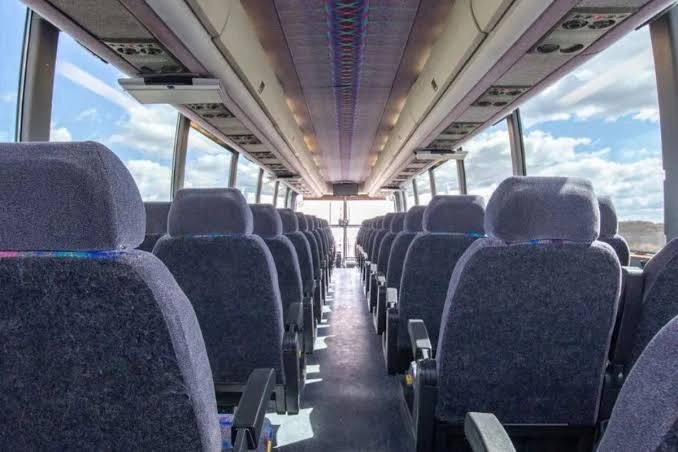
Charter Bus Seating Capacity refers to the number of passenger seats available in a particular vehicle configuration.
It is more useful to think of capacity as a vehicle-specific figure rather than a universal number. Two coaches from different manufacturers may have different seating layouts, and features such as accessibility equipment, additional legroom, or a restroom can affect how many seats are installed.
For example, a full-size coach commonly configured for 56 passengers may have a different seat count when its interior is modified to provide additional space for accessibility or comfort.
How Many Seats Are on a Full-Size Charter Bus?
A full-size charter bus, often called a motorcoach, commonly accommodates around 40 to 56 passengers.
A 56-passenger configuration is common among full-size coaches, but it should not be assumed that every full-size bus has exactly 56 seats. Some vehicles have fewer seats because of their size or interior layout.
For a group approaching the upper end of a vehicle’s stated capacity, confirm the exact passenger count before booking. This is especially important when the group will also have substantial luggage or accessibility requirements.
What Affects Charter Bus Capacity?
Several factors can change the number of available seats.
1. Vehicle Size
The physical size of the vehicle is one of the biggest factors. A smaller coach will naturally accommodate fewer passengers than a full-size motorcoach.
2. Interior Layout
Seat spacing and the arrangement of the cabin can affect the final count. A vehicle designed with more space between rows may have fewer seats than another coach of a similar size.
3. Restroom Configuration
Some full-size charter buses include an onboard restroom. The space required for the restroom and surrounding area can affect the interior seating layout.
4. Accessibility Features
A coach may have space reserved for wheelchair access and securement. That can change the number of conventional passenger seats available compared with a standard configuration.
5. Comfort Requirements
A group may technically fit within a vehicle’s maximum capacity, but that does not automatically mean the configuration is ideal for the trip. Long-distance travel, luggage, and special seating requirements should all be considered when selecting a vehicle.
Does Luggage Affect Charter Bus Capacity?
Passenger seating and luggage capacity are related but are not the same thing.
A bus can have enough seats for every member of your group while still requiring additional consideration for luggage. This matters particularly for airport transfers, overnight trips, sports travel, and tours where passengers may bring larger bags or equipment.
Before booking, provide the transportation company with both:
- Your expected passenger count
- The approximate amount and type of luggage or equipment
This gives the operator a better basis for selecting the appropriate vehicle.
How Many Seats Do You Need for Your Group?
Start with your confirmed passenger count rather than choosing a bus based on a general capacity number.
For example, a wedding with 32 guests may have different transportation requirements from a corporate group of 32 employees traveling with briefcases and equipment. A sports team with 32 passengers may also need room for equipment that another group would not require.
Think about these questions before selecting a vehicle:
- How many passengers are traveling?
- Will everyone travel together?
- How much luggage will the group bring?
- Is wheelchair-accessible transportation required?
- How long will the trip take?
- Are additional passengers likely to join?
- Does the group need specific onboard amenities?
Answering these questions can make vehicle selection much easier.
Charter Bus Capacity for Different Types of Groups
Weddings
Wedding transportation often involves moving guests between hotels, ceremony locations, reception venues, and other stops. A charter bus can help keep a large group together rather than requiring multiple individual vehicles.
The correct capacity depends on the number of guests who actually need transportation and whether the group will carry personal belongings between locations.
Corporate Events
Corporate groups may need transportation for conferences, meetings, airport transfers, company outings, or employee events.
For these trips, consider more than the number of employees. Laptop bags, presentation equipment, luggage, and the length of the journey can all influence the type of vehicle that makes sense.
School Trips
School transportation requires careful attention to the number of students, teachers, chaperones, luggage, and accessibility requirements.
Rather than assuming a bus’s maximum capacity will be appropriate, organizers should provide the transportation company with an accurate passenger count and trip details.
Sports Teams
Sports teams may need space for players, coaches, staff, personal bags, and sporting equipment.
A vehicle that has enough passenger seats but inadequate storage may not be practical, so equipment should be discussed when requesting transportation.
Tours and Group Travel
Sightseeing groups often spend several hours on the road, making comfort and storage important considerations alongside seating capacity.
For longer tours, the vehicle should be selected based on the complete travel plan rather than passenger count alone.
Charter Bus Capacity vs. Other Group Transportation
A charter bus is not the only option for group travel.
Smaller groups may consider a minibus or passenger van, while larger groups may require a full-size motorcoach or multiple vehicles. Party buses are another category designed around a different type of travel experience and seating arrangement.
The right choice depends on the number of passengers, trip requirements, luggage, route, and type of event.
This distinction is useful when comparing Charter Bus Capacity with other transportation options because a vehicle’s maximum passenger count does not tell you everything about how suitable it will be for a particular trip.
How to Confirm the Exact Charter Bus Passenger Capacity
Online capacity ranges are useful for initial planning, but the transportation provider should confirm the actual vehicle before your reservation is finalized.
Ask for:
- The exact passenger capacity
- The vehicle type or model
- The seating configuration
- Available luggage space
- Accessibility accommodations
- Important onboard amenities
- Whether the quoted vehicle can accommodate your complete group
This is particularly important for groups close to the vehicle’s maximum capacity.
Planning Group Transportation in Denver
If you are arranging transportation for a wedding, corporate event, school trip, sports group, tour, or private gathering in the Denver area, Denver Concierge Limo provides professional group transportation options designed around different group sizes and travel needs. For larger groups traveling together, Denver Charter Bus Services can be a practical option for coordinating transportation from one location to another.
When requesting a quote, provide the number of passengers, pickup and drop-off locations, travel date, approximate luggage requirements, and any accessibility needs. These details help determine the appropriate vehicle and seating configuration for your trip.
Final Thoughts
The answer to how many seats on a charter bus depends on the vehicle you choose. Full-size charter buses commonly accommodate about 40 to 56 passengers, while smaller coaches can serve smaller groups.
The most important step is to match the vehicle to your actual passenger count and trip requirements, rather than relying on a generic capacity number. Once you know your group size, luggage needs, accessibility requirements, and itinerary, a transportation provider can help identify the appropriate vehicle configuration.
Frequently Asked Questions
How many seats on a charter bus?
A full-size charter bus commonly seats around 40 to 56 passengers, but smaller charter vehicles can have fewer seats. The exact capacity depends on the vehicle and its interior configuration.
What is the average charter bus capacity?
For a full-size charter bus, approximately 40 to 56 passenger seats is a useful general planning range. Smaller coaches and minibuses have lower capacities.
Can a charter bus hold 50 people?
Yes. A full-size charter bus can commonly accommodate a group of 50 passengers, although the exact vehicle configuration should be confirmed before booking.
Does a charter bus have enough room for luggage?
Many full-size coaches have dedicated luggage storage, but the amount of available space varies by vehicle. Tell the transportation provider how many bags or pieces of equipment your group will bring so the appropriate vehicle can be selected.
Should I book a bus based only on the maximum seat count?
No. Passenger count is important, but luggage, accessibility requirements, trip length, comfort, and the vehicle’s interior configuration should also be considered. Confirm the specific vehicle capacity with the transportation provider before booking.