

What Is A Corporate Transportation Service? It is a professionally arranged transportation solution designed for business-related travel. Companies use these services to transport executives, employees, clients, visitors, and event attendees between airports, offices, hotels, meetings, conferences, and other business locations.
Unlike simply ordering a ride when someone needs one, corporate transportation is generally planned around a business schedule. The vehicle, pickup details, passengers, timing, and destination can be arranged in advance so transportation becomes part of the overall itinerary.
Corporate transportation can range from an executive sedan for one passenger to larger vehicles for teams and corporate events. The appropriate option depends on the number of passengers, luggage, itinerary, and type of business travel.
How Does Corporate Transportation Work?

A corporate transportation service usually starts with the company or traveler providing trip details to the transportation provider.
These details may include:
- Pickup location
- Destination
- Date and time
- Number of passengers
- Luggage requirements
- Flight information when airport transportation is involved
- Multiple stops or scheduled appointments
- Vehicle preferences
The provider can then determine what type of vehicle and transportation arrangement fits the trip.
For example, an executive visiting Denver for a series of meetings may need transportation from the airport to a hotel, followed by several office visits and an evening business dinner. Instead of arranging each ride separately, the transportation can be organized around the complete itinerary.
This type of planning is particularly useful when several people are traveling together or when transportation needs to coordinate with a fixed business schedule.
What Services Are Included in Corporate Transportation?
Corporate transportation is not limited to one type of trip. The exact services depend on the transportation company and the needs of the business.
Executive Transportation
Executives may need private transportation between airports, hotels, offices, meetings, and business events.
A private vehicle can provide a dedicated transportation arrangement rather than requiring the traveler to arrange separate rides throughout the day.
Corporate Airport Transportation
Airport transfers are a common part of business travel. Companies may arrange transportation for executives, employees, clients, or visiting business partners arriving in a city.
Airport transportation can be especially useful when the traveler has a scheduled meeting shortly after landing or needs to reach a specific location on a fixed timetable.
Corporate Event Transportation
Businesses may need transportation for conferences, meetings, conventions, networking events, dinners, or company gatherings.
When multiple employees or guests need to travel between hotels and event locations, coordinated transportation can simplify the logistics.
Client and Guest Transportation
A company may also arrange transportation for clients, partners, speakers, or other business guests.
In this situation, transportation is not simply about getting someone from one location to another. The company may also want the guest’s travel arrangements to be clearly organized before arrival.
Multi-Stop Business Transportation
Some business trips involve several appointments in one day.
Instead of arranging individual rides between every location, a company may organize transportation around the complete schedule. This can be useful for executives, sales teams, consultants, and other professionals with multiple meetings.
Who Uses Corporate Transportation Services?
Corporate transportation can serve many different people within a business.
Business Owners and Executives
Business owners and executives may use private transportation when traveling between airports, meetings, hotels, offices, and events.
The main consideration is often schedule coordination. A business traveler with several appointments may need transportation that fits the itinerary rather than relying on transportation availability at each individual location.
Corporate Travelers
Employees traveling for work may need transportation when visiting another city for meetings, conferences, training, or other business activities.
Arranging transportation in advance can make the travel plan easier to coordinate, particularly when the traveler is unfamiliar with the area.
Event Planners
Event planners may arrange transportation for speakers, executives, employees, clients, or groups of attendees.
Their transportation needs can be more complicated because several people may have different arrival times, pickup locations, or destinations.
HR and Administrative Teams
HR departments, executive assistants, office managers, and administrative teams may also coordinate transportation for employees or visiting personnel.
For these users, accurate scheduling and clear communication can be just as important as the vehicle itself.
What Vehicles Are Used for Corporate Transportation?
There is no single vehicle that works for every corporate trip.
The appropriate vehicle depends on passenger count, luggage, itinerary, and the type of experience the company needs.
Executive Sedans
An executive sedan may be suitable for an individual executive or a small number of passengers who need private transportation between business locations.
Luxury SUVs
An SUV can provide additional passenger and luggage space while remaining suitable for executive and business travel.
This can be useful when a traveler has several bags or when a small group needs to travel together.
Executive Vans
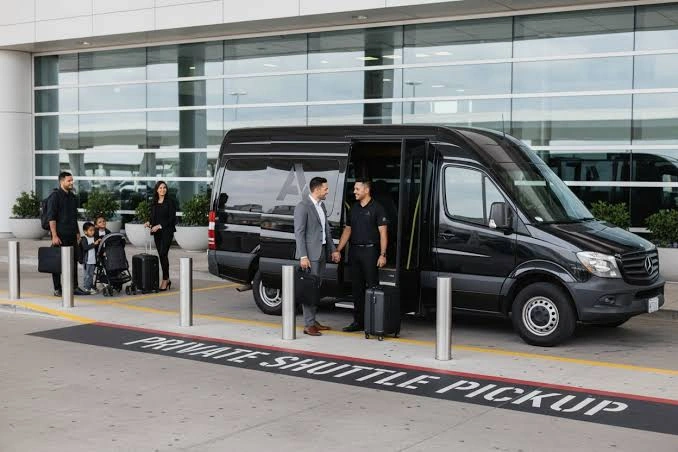
For larger groups, an executive van may provide a more practical arrangement than booking several individual vehicles.
The exact passenger capacity and features vary by vehicle, so companies should confirm these details when making a reservation.
Larger Group Vehicles
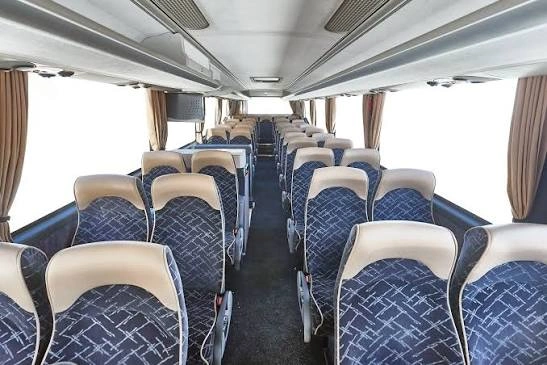
Corporate events, conferences, and larger business groups may require larger transportation options. The right choice depends on the number of travelers, itinerary, luggage, and pickup locations.
The important point is to select the vehicle according to the actual transportation requirement rather than choosing a vehicle simply because it looks appropriate for a business event.
When Do Businesses Use Corporate Transportation?
Businesses can use corporate transportation in many different situations.
Common examples include:
- Airport transfers
- Business meetings
- Corporate conferences
- Client transportation
- Executive travel
- Company events
- Employee transportation
- Business dinners
- Multi-location business trips
- Transportation for visiting executives
For instance, a company hosting an out-of-town client may arrange transportation from the airport to the hotel and then to the company’s office the following morning.
Similarly, a business attending a conference may arrange transportation for a group between its hotel and the event venue.
The transportation plan should reflect the actual itinerary instead of treating every trip as a standard point-to-point ride.
Corporate Transportation vs. Rideshare and Taxis
Corporate transportation and rideshare services can both move passengers from one location to another, but they are not necessarily designed around the same type of travel.
Rideshare and taxis are generally convenient for individual, on-demand trips. Corporate transportation is typically arranged in advance around business requirements.
Some differences can include:
| Corporate Transportation | Rideshare or Taxi |
| Usually scheduled in advance | Often requested when needed |
| Designed around business travel | Designed for general transportation |
| Vehicle can be selected according to the trip | Vehicle availability may vary |
| Useful for planned itineraries | Often suited to individual trips |
| Can accommodate corporate groups and events | Group options vary |
| May include dedicated business transportation arrangements | Usually handled as individual rides |
This does not mean one option is appropriate for every situation. A short, informal business trip may not require specialized transportation. For an executive itinerary, client pickup, or organized corporate event, advance transportation planning may be more practical.
How to Choose a Corporate Transportation Service
When comparing providers, start with your actual transportation requirements.
Consider Your Passenger Count
Know how many people will be traveling. A vehicle suitable for one executive may not be appropriate for a team or event group.
Explain the Full Itinerary
If the trip includes multiple stops, provide the complete schedule instead of describing it as a simple one-way trip.
This gives the transportation provider a clearer picture of what is required.
Consider Luggage
Airport travelers may have suitcases, business equipment, presentation materials, or other items. Make sure the selected vehicle has appropriate space.
Ask About the Vehicle
Confirm the vehicle type and available features before booking. A company’s fleet can include several vehicle categories, and the available options may differ between providers.
Provide Accurate Pickup Information
Give the exact pickup location and relevant contact details. Clear information helps avoid confusion when the passenger arrives.
Consider the Nature of the Trip
A private executive transfer, airport pickup, corporate dinner, and large conference may all require different transportation arrangements.
For businesses arranging travel, Denver Concierge Limo provides professional corporate transportation in denver for executives, employees, clients, and business groups. We provide transportation based on the passenger count, destinations, schedule, and other requirements of each business trip.
What Information Should You Provide When Booking?
Providing complete information can make it easier to arrange the right transportation.
Before contacting a provider, have the following details available:
- Travel date
- Pickup time
- Pickup location
- Destination
- Number of passengers
- Number of luggage pieces
- Flight information, if applicable
- Additional stops
- Event or meeting schedule
- Preferred vehicle type, if you have one
For a complicated itinerary, it can also help to provide the schedule in chronological order.
For example:
8:00 AM: Airport pickup
9:00 AM: Hotel arrival
11:00 AM: Office meeting
1:30 PM: Business lunch
3:00 PM: Second meeting
6:00 PM: Hotel or dinner transfer
A clear itinerary allows the transportation provider to understand the entire trip rather than planning each movement separately.
Conclusion
A corporate transportation service is more than simply hiring a vehicle for a business trip. It is a transportation arrangement organized around the needs of companies, executives, employees, clients, and business events.
The service can include airport transfers, executive transportation, corporate events, client travel, and multi-stop itineraries. Depending on the trip, businesses may choose from sedans, SUVs, executive vans, or larger group vehicles.
The right transportation arrangement starts with understanding the actual travel requirements. Passenger count, luggage, destinations, timing, and the purpose of the trip should all be considered before booking.
For businesses planning professional transportation in Denver, Denver Concierge Limo can help you evaluate the transportation arrangement that fits your specific business itinerary.
FAQs
What is a corporate transportation service?
A corporate transportation service is a professionally arranged ground transportation solution for business-related travel. It can be used for executives, employees, clients, visitors, and corporate groups.
What is included in corporate transportation?
Depending on the provider, corporate transportation may include executive transfers, airport transportation, corporate events, client transportation, group travel, and multi-stop business transportation.
Who can use corporate transportation?
Businesses can arrange transportation for executives, employees, clients, business partners, event attendees, speakers, and visiting professionals.
Is corporate transportation only for executives?
No. Corporate transportation can be used for employees, clients, event attendees, and groups as well as executives. The appropriate service depends on the purpose and size of the trip.
What vehicles are used for corporate transportation?
Depending on the provider, corporate transportation may use executive sedans, SUVs, vans, and larger group vehicles. Vehicle selection should be based on passenger count, luggage, and itinerary.
Can corporate transportation include airport transfers?
Yes. Airport transportation is a common business travel use case. Companies may arrange airport pickup and drop-off for executives, employees, clients, and visiting business guests.